Inspiration for Creative and Modern Home Designs
Creating a home that reflects your personality while embracing modern trends can be both exciting and challenging. Whether you are building from scratch or renovating an existing space, the key is to blend creativity with functionality. This post explores various ideas and practical tips to inspire your next home design project. From clever use of space to color schemes and furniture choices, you will find plenty of ways to make your home uniquely yours.
Embracing Modern Home Design: Key Elements to Consider
Modern home design is all about simplicity, clean lines, and open spaces. It focuses on creating an environment that feels airy and uncluttered while still being warm and inviting. Here are some essential elements to keep in mind:
Open Floor Plans: Removing unnecessary walls creates a sense of flow and maximizes natural light.
Neutral Color Palettes: Whites, grays, and earth tones provide a calm backdrop that can be accented with bold colors.
Natural Materials: Wood, stone, and metal add texture and warmth.
Minimalist Furniture: Choose pieces with sleek designs and avoid over-accessorizing.
Smart Storage Solutions: Built-in shelves and hidden compartments help maintain a tidy look.
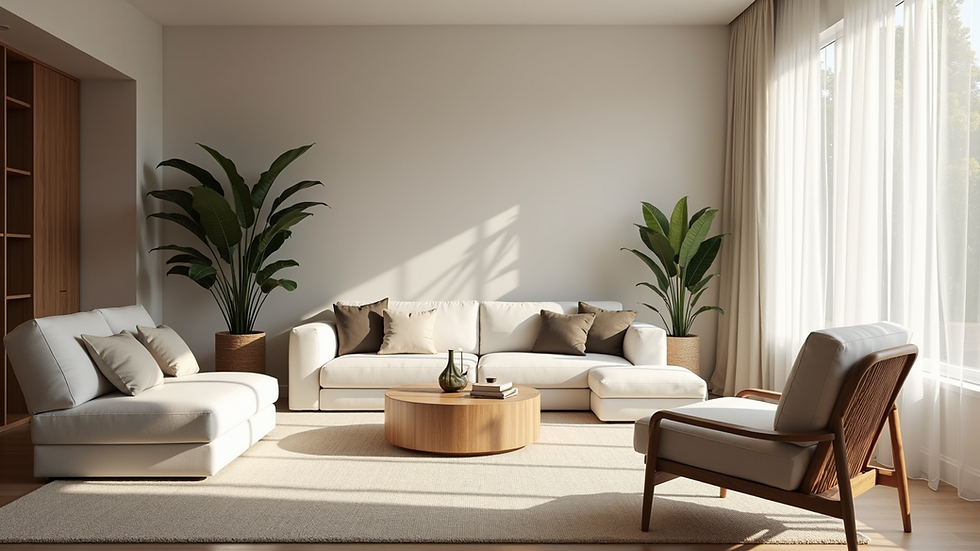
For example, a living room with a large sectional sofa in a neutral shade, paired with a wooden coffee table and metal light fixtures, can create a balanced modern aesthetic. Adding plants and textured rugs will soften the space and add personality.
How to Incorporate Innovative Home Design Ideas
To truly stand out, consider incorporating innovative home design ideas that push the boundaries of traditional interiors. These ideas often combine technology, sustainability, and artistic expression to create homes that are both beautiful and functional.
Smart Home Integration: Automated lighting, climate control, and security systems enhance convenience and energy efficiency.
Sustainable Materials: Bamboo flooring, recycled glass countertops, and low-VOC paints reduce environmental impact.
Multi-Functional Spaces: Rooms that serve multiple purposes, such as a guest bedroom that doubles as a home office.
Statement Lighting: Unique fixtures can act as art pieces and focal points.
Indoor-Outdoor Living: Large sliding doors and patios extend living spaces and connect with nature.
For instance, installing floor-to-ceiling windows not only floods the room with light but also blurs the line between indoors and outdoors. Pair this with eco-friendly insulation and solar panels to create a home that is modern and sustainable.

What is the 3-5-7 Rule of Decorating?
The 3-5-7 rule is a simple guideline to create balanced and visually appealing interiors. It refers to the number of items you should use in different categories to avoid clutter and maintain harmony.
3 Large Items: These are the main pieces of furniture or focal points in a room, such as a sofa, a large painting, or a rug.
5 Medium Items: These include smaller furniture pieces, lamps, or decorative objects like vases and books.
7 Small Items: These are accessories such as cushions, candles, or picture frames.
Using this rule helps you layer your decor thoughtfully. For example, in a living room, you might have three large items like a sofa, coffee table, and armchair; five medium items such as side tables and lamps; and seven small items like cushions and decorative bowls. This creates a cohesive look without overwhelming the space.

Color and Texture: Bringing Life to Modern Spaces
Color and texture are powerful tools in home design. They can transform a plain room into a vibrant and inviting space. Here are some tips to use them effectively:
Accent Walls: Use bold colors or textured wallpaper on one wall to create a focal point.
Layer Textures: Combine smooth surfaces like glass and metal with soft fabrics and natural fibers.
Monochromatic Schemes: Different shades of the same color can add depth without overwhelming the senses.
Contrast: Pair light and dark colors to create drama and interest.
For example, a bedroom with soft gray walls can be enlivened with a velvet navy blue headboard and a shaggy cream rug. Adding metallic lamps and wooden bedside tables introduces texture and contrast, making the room feel cozy yet modern.
Practical Tips for Maximizing Small Spaces
Small homes or apartments require smart design choices to make the most of limited space. Here are some practical recommendations:
Use Vertical Space: Install tall shelves and cabinets to free up floor area.
Choose Multi-Functional Furniture: Beds with storage drawers, fold-out desks, and nesting tables save space.
Light Colors and Mirrors: These create the illusion of a larger room.
Declutter Regularly: Keep only what you need and love to maintain a clean environment.
Define Zones: Use rugs or furniture placement to create distinct areas for living, dining, and working.
A studio apartment, for example, can feel spacious by using a loft bed with a desk underneath, a foldable dining table, and light-colored walls. Mirrors placed opposite windows will reflect light and open up the space visually.
Designing a home that is both creative and modern requires thoughtful planning and a willingness to experiment. By combining essential design principles with innovative home design ideas, you can create a space that is uniquely yours and perfectly suited to your lifestyle. Whether you prefer minimalist elegance or bold statements, the possibilities are endless when you embrace creativity in your home design journey.


Comments